
Why we exist.
The people, values and partners behind Lighthouse. And what keeps us at the work when it would be easier to stop.

Bridging the gap between decision and delivery.
Lighthouse started because we were both pretty fed up. For twenty years we worked on opposite sides of the same coin: Jon as a designer whose best ideas were regularly strangled by red tape, and James as a public sector strategist tired of seeing massive problems met with a total lack of imagination.
Realising we were shouting into the same void, we decided to stop accepting the status quo and do something about it. We didn’t want to create another yes-man consultancy. We wanted a place where the goal is actually solving the problem, not just making money.
We have deep roots in some of Britain’s biggest institutions, which has given us a front-row seat to how broken business as usual can be, and how ill-equipped the old ways of doing things are for the problems of today. We’re not interested in protected hierarchies or ego-driven leadership. We’re here to do honest, imaginative work that makes a difference to the people it affects.
Whether we’re partnering with a client or growing our team, we look for people who care more about the impact of the work than anything else.
Small and big. Young and old.
We are a company of deliberate contradictions, because the work needs both halves of each.
Small by design
A deliberately small core, so senior people do the work on every engagement. No bench of juniors learning on your budget. Precise where it matters.
Big when it matters
Partnership agreements with major consultancies mean we scale to programme size when the work demands it, without losing the precision of a small team.
Young company
Founded in 2024, with no legacy ways of working to defend. We build with the current generation of tools, including AI, because we were never invested in the old ones.
Decades deep
Our associates bring decades of experience from inside Britain’s biggest institutions. Government departments, broadcasters, universities and banks: the people who deliver our work have led change inside them.
Three promises, kept on every engagement.

Make the messy make sense
We translate: between disciplines, between stakeholders, between abstract ambition and what happens on Monday morning. Complex problems stay complex; our job is making them navigable.

Work alongside, not above
Coaching, pairing, making together, not reports handed down. The aim is not to look clever. It is to leave capability behind.
Leave things better than we found them
The skills, the practices, the confidence to keep going. If the organisation cannot carry on without us, we have not finished the job.
Led by people who’ve sat in your seat.
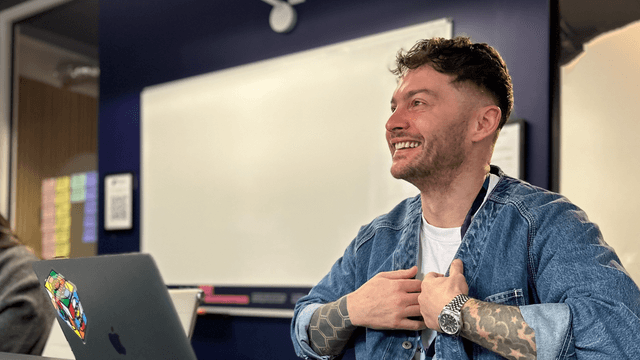
James Johnson
Co-founder
James has over 25 years in public sector delivery, on the inside as the client and on the outside as the consultant. He understands the stakes and responsibilities involved, and co-founded Lighthouse to bring discipline and rigour to innovation in critical public services.
Connect on LinkedIn
Jon Maher
Co-founder
Jon co-founded Lighthouse to help organisations innovate responsibly and make better decisions with the evidence in front of them. He works across product and service design, user research and test-and-learn methodologies.
Connect on LinkedInThe team behind the practice.

Leanne Johnson
Operations Manager
Leanne is an operations manager with twenty-five years running round-the-clock services in transport and education, where the plan rarely survives the day. She looks after how Lighthouse runs — contracts, onboarding, finances and the everyday detail — so the rest of the team can get on with the work.

Lawrence Kitson
Product, service and capability building
Lawrence is a product and service designer with nearly twenty years’ experience and a deep interest in innovation methods. He heads up Lighthouse’s capability building practice, designing the courses and coaching that put the method into a team’s hands.

Denise Dunne
Strategy and commercial growth
Denise is a commercial growth lead with over twenty years building, scaling and turning around businesses in digital, telco, gaming and eCommerce, including P&Ls above £200m. She works in Lighthouse’s strategy practice, helping clients set a long-term direction and deliver on it at pace.

Mark Webster
Product, service and innovation
Mark is a product, service and innovation leader with over twenty years working with organisations through complex change. He turns strategic challenges into something a team can test, designing the experiments and gathering the evidence they need to decide what to do next.

Emily Dunne
Strategy, programme design and research
Emily is a consultant, researcher and strategist who has worked with over thirty organisations since 2019, including charities, social enterprises, universities and government departments. She designs and leads programmes, bringing social innovation, human-centred design and qualitative research to work meant to leave lasting change.
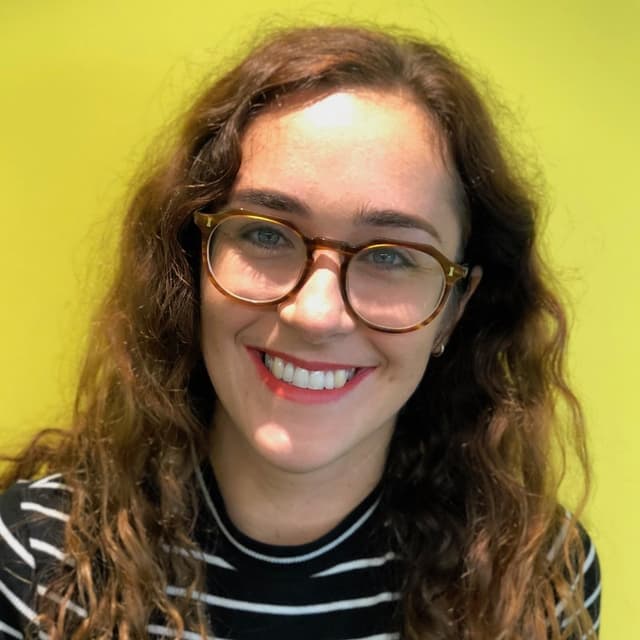
Sarah McLellan
Design strategy and research
Sarah is a human-centred design strategist who works on complex social problems, using research to shape the decision as well as the design. She keeps the whole system in view, and makes the evidence land well enough that people act.
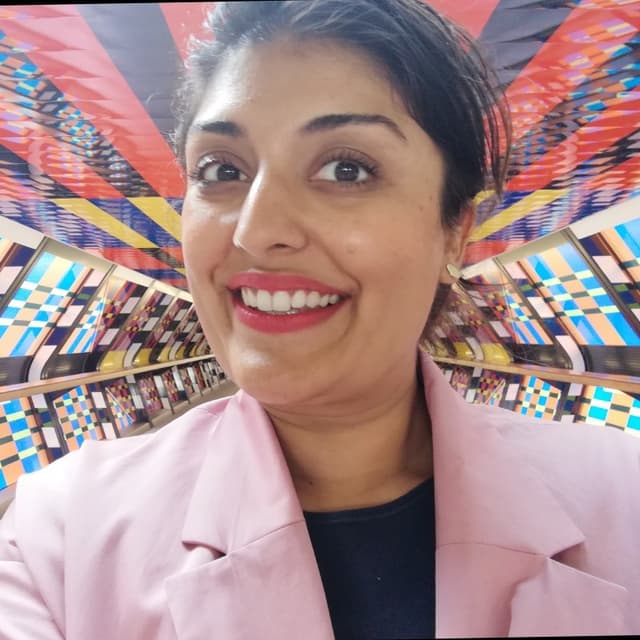
Harpreet Purewal
User research and capability building
Harpreet is a user researcher with a broad range of qualitative methods, who has worked in government, in early-stage start-ups and for household-name brands. She delivers capability building in innovation and evidence-led design, helping teams build confidence in the product decisions they make.
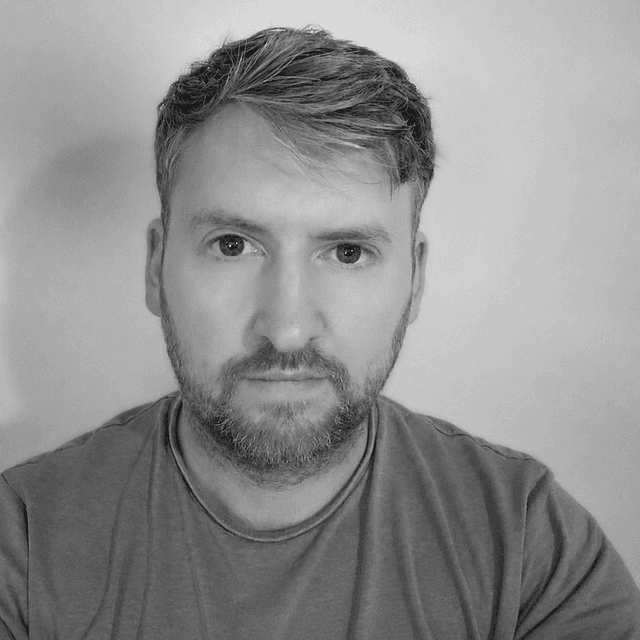
Andrew Duckworth
Product and service design
Andrew is a designer and product lead who has worked across government, health, education, ecommerce and start-ups. He led design in the NHS service team behind organisation-based COVID-19 testing, and most recently worked with DHSC. He is at his best getting a team to the real user need before anything gets built.
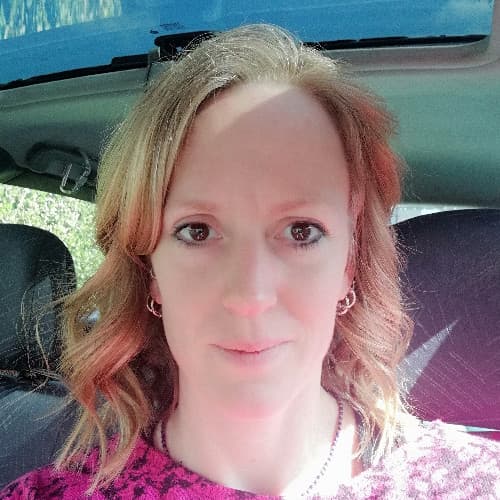
Dr Ursula Balderson
Qualitative research and policy
Ursula is an interdisciplinary qualitative researcher working on the social impacts of environmental policy. She connects policy made at the top with how it lands on the ground, showing why interventions stall and where better ones should start.

Dr Samuel Betts-Davis
Quantitative research
Samuel is a quantitative researcher in ecological economics, working on how inequality in income, expenditure and energy use shapes the UK’s route to lower emissions. He models who a policy reaches and who it misses, and where reducing inequality also cuts emissions.

Ben Cullimore
Service design and design leadership
Ben is a service designer with two decades in user-centred design for UK government, across health, justice and financial services. He was a design lead on nhs.uk, used by over forty million people a month, and on assessment and planning at Justice Digital. He designs high-stakes services at national scale.
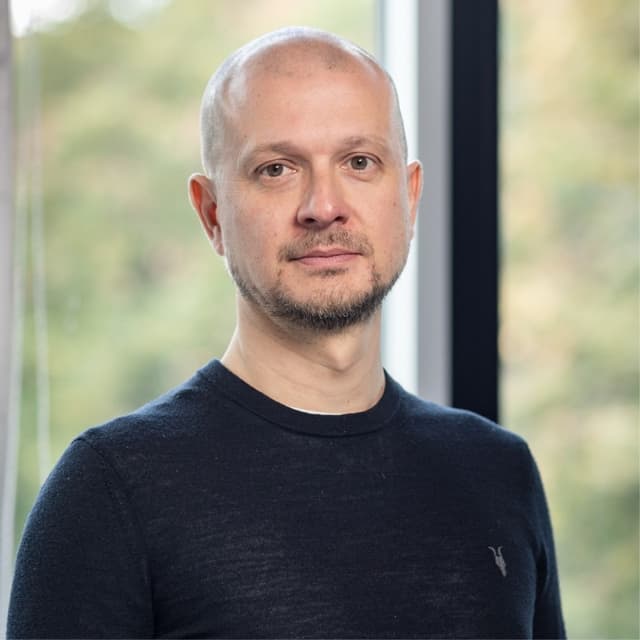
Professor Mark Davis
Economic sociology and green finance
Mark is a professor of economic sociology working on the social dimensions of energy transitions and green finance. He is part of the leadership of Lighthouse’s Retrofit Policy Lab, and led the research behind Local Climate Bonds, which have raised nearly £30 million for council net zero projects.
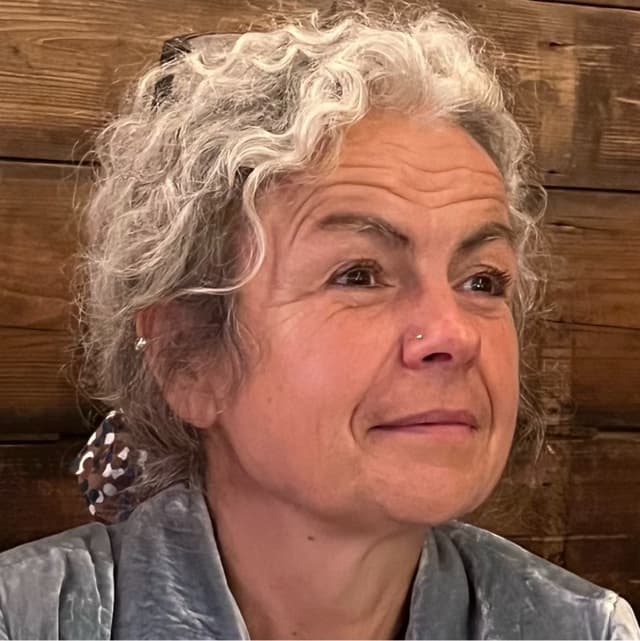
Dr Suzie Hamlin
Organisational dynamics and change
Suzie has over twenty-five years in consultancy and a PhD in organisational dynamics, and works on how teams and departments collaborate, communicate and decide. She strengthens the human systems that make change stick, working through the politics and misalignment that usually get in the way.

Rohela Raouf
Analysis and systems thinking
Rohela has worked as an analyst on critical government digital programmes at scale. She uses analysis and systems thinking to frame responsible innovation, building a shared understanding across strategy, business need and delivery.

Helen Walker
Business analysis and innovation
Helen treats analysis, systems and context thinking as the bedrock of responsible innovation, making sure what gets built is appropriate to its setting and centred on users. She has helped deliver innovative products and services in telecoms, health, water, energy and transport.

Hello Lighthouse.
Bring us a strategy to shape, a service to redesign, a workflow that’s creaking, or a product you want built properly. Or just a feeling that something could be better. That’s enough to start.